
HVAC Repair in Wayne, NJ
Boiler repair, furnace repair, heat pump repair and AC repair in Wayne and the towns around it. Emergency boiler repair when the heat goes out.
Call (973) 709-5323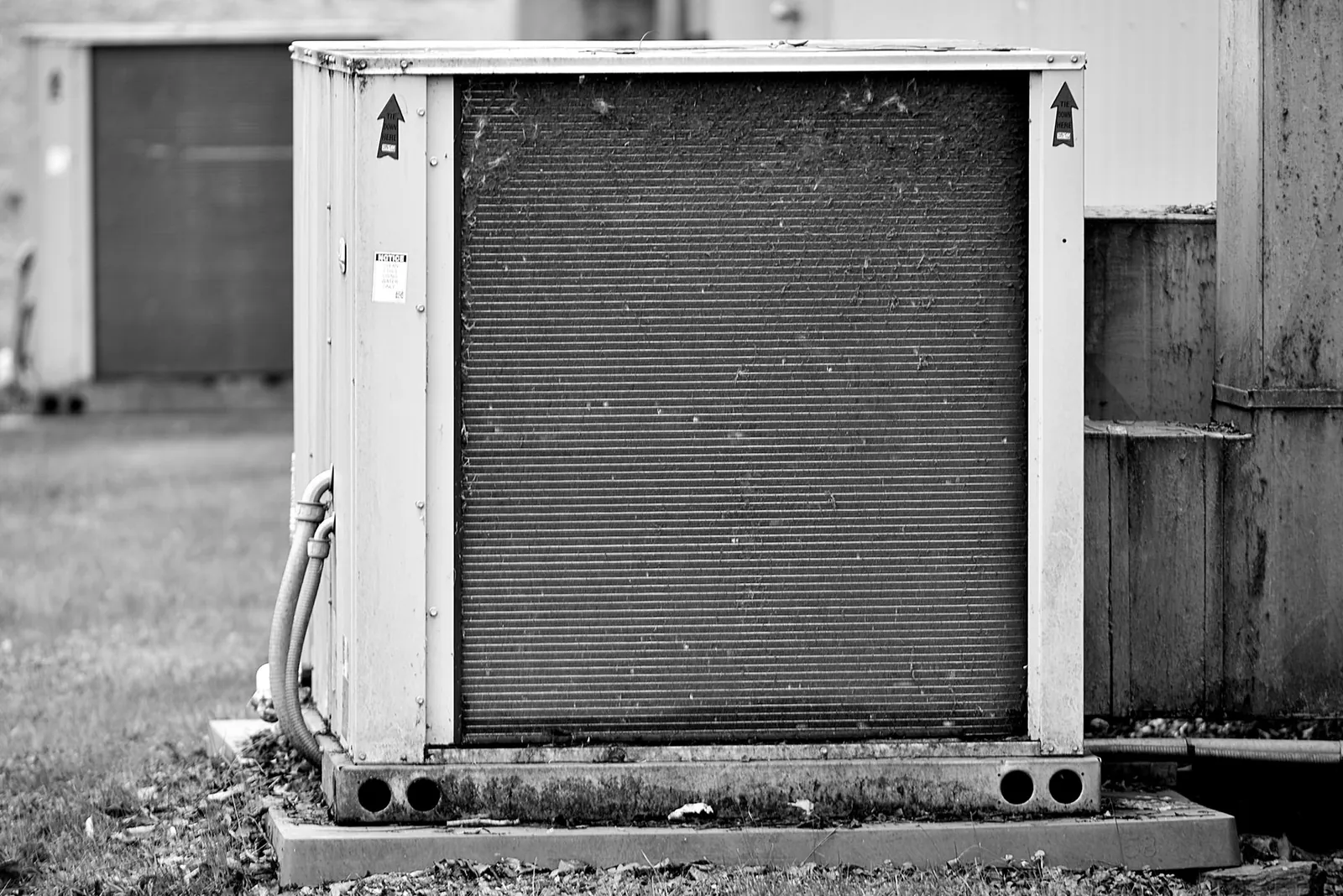
Heating and Cooling Repair in Wayne, NJ
Wayne HVAC Service repairs boilers, furnaces, heat pumps, central air conditioners and ductless mini splits in Wayne and the towns around it: Totowa, Woodland Park, North Haledon, Pompton Lakes and Pompton Plains.
When a boiler stops heating, the cause is usually one part: a circulator pump, a zone valve, a low water cutoff, an expansion tank or the burner controls. When a furnace quits, it is usually an igniter, a flame sensor, a pressure switch or a blower motor. When central air fails in July, it is usually a capacitor, a contactor, a fan motor or a clogged drain.
Boiler out in freezing weather, or water on the basement floor? See emergency boiler repair.
Boiler, Furnace, Heat Pump and AC Services in Wayne
| Service | What gets repaired | Page |
|---|---|---|
| Boiler Repair | Hot water and steam boilers: circulators, zone valves, low water cutoffs, burners, radiator vents | Boiler Repair in Wayne |
| Emergency Boiler Repair | Boilers that will not fire, leak, overheat or sat in flood water | Emergency Boiler Repair in Wayne |
| Furnace Repair | Gas and oil furnaces: igniters, flame sensors, inducers, blowers, boards, oil burners | Furnace Repair in Wayne |
| AC Repair | Central air: capacitors, contactors, fan motors, frozen coils, leaks, attic drains | AC Repair in Wayne |
| Heat Pump Repair | Defrost boards, reversing valves, iced coils, backup heat, dual fuel controls | Heat Pump Repair in Wayne |
| Ductless Mini Split Repair | Wall heads that leak, run without cooling or flash codes; outdoor units | Ductless Mini Split Repair in Wayne |
No Heat, No Cooling and Common Problems
| What you notice | What usually failed |
|---|---|
| Boiler hot, radiators cold | A circulator pump that stopped turning or a zone valve that never opened |
| Relief valve dripping on the boiler | A waterlogged expansion tank or a fill valve that keeps feeding water |
| Steam boiler will not fire | Low water in the sight glass, a dirty low water cutoff or a failed water feeder |
| Furnace lights, then shuts off | A dirty flame sensor, a clogged filter tripping the limit switch or a blocked condensate trap |
| Furnace clicks but never lights | A cracked igniter, a pressure switch that will not close or a failed inducer motor |
| Outdoor AC unit hums, fan not spinning | A weak run capacitor or a seized condenser fan motor |
| Water in the attic pan or on the ceiling | An air handler condensate drain clogged with algae |
| Heat pump covered in ice | A defrost board, coil sensor or reversing valve that stopped working |
| Mini split dripping down the wall | A clogged drain line or a failed drain pump in the head |
Most of these are a single part, and the boiler, furnace or condenser is repaired in place. Replacement comes up when a boiler section cracks, a heat exchanger fails or a compressor is gone.
Service Area Around Wayne
All of Wayne, including Packanack Lake, Pines Lake, Preakness, Mountain View and Pompton Falls, plus the nearby towns below. The Wayne service area page covers each one.
| Area | Common repairs |
|---|---|
| Packanack Lake | Boilers and furnaces, central air, lower-level heat and drains |
| Pines Lake | Baseboard heat, small boilers, oil burners and mini splits |
| Preakness | Two-system houses, zone controls, heat pumps and thermostats |
| Mountain View | Flood-damaged burners, controls, circulators and condensers |
| Totowa | Steam and hot water boilers, radiators and attic air handlers |
| Woodland Park | Closet furnaces, air handlers and condensers in condos and houses |
| North Haledon | Gas boilers, furnaces and multi-zone systems |
| Pompton Lakes | Flood-damaged boilers and furnaces, baseboard heat and mini splits |
| Pompton Plains | Heat pumps, electric heat and high efficiency furnaces |